 July 15, 2024
Last updated on November 28th, 2025
July 15, 2024
Last updated on November 28th, 2025
How this corporate lawyer went from 80-hour workweeks to traveling the world

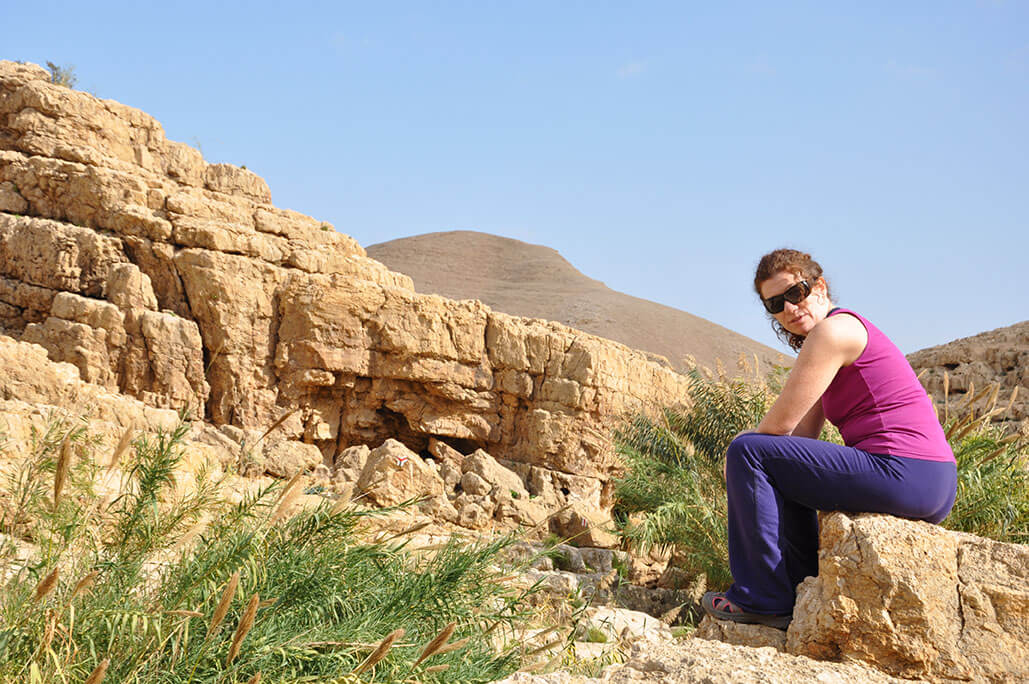
Meet Sabrina Petric, an Austrian travel blogger. Welcome to “How I Escaped.” This Discovery Sessions interview series probes inspiring individuals who successfully ditched the rat race to inspire readers just like you.
Where are you from or where do you feel local to?
Sabrina Petric: I was born and raised in Austria. Because of my husband’s job in the military, we are currently stationed in the United States in New Mexico.
How did you escape the rat race? Tell us the backstory of your former profession.
SP: I trained as a corporate lawyer and I worked my ass off for years. I am talking 80-hour work weeks. I met my husband right at the beginning of the pandemic. Because he was from a different country, I had to move, and my law license was invalid. Since I didn’t know what else to do, I started a travel blog. Now, four years later, it has taken off and is giving me 100 % passive income every month, even more than I made previously.
Yes, it was a lot of work to get here, but I enjoyed every minute of it, and it didn’t feel like work. But I am proud to say that I’ve made it despite a lot of criticism (“Travel blogging isn’t real” or “Oh, so you wanna be an influencer now”) and am very happy with living a life on my own rules. I will never go back to a traditional job if I can help it, because my quality of life has improved so much since then.
I didn’t plan on escaping the rat race, it just happened to me. But I think it is important to show that you can have a happy and fulfilled life outside of what is considered a “stereotypical” career path.
What advice would you give someone looking to become a travel blogger?
SP: If you want to become a travel blogger, there are a few things you should know. One of the biggest things people don’t know is that you don’t just write personal stories and add some pictures. Rather, there is a lot more to it and it will take you about a year to learn the most important parts of Search Engine Optimization (SEO). You’ll need SEO in order to be found on Google and to get visitors.
There are free resources out there to learn all this, but you’ll likely have to invest in a couple of courses (for SEO, Pinterest, YouTube, Photoshop etc). So make sure to set some money aside for that. There are also some startup costs involved in hosting the website and picking a theme, but they are not too high.
Likely, you won’t make decent money in the first year. It takes about six months before Google takes your website seriously and it will start growing. For this reason, I recommend starting to build the blog ASAP, while you still have a job. Make sure that you like it and that you are serious about it. It is also a very volatile business, where a Google algorithm change can mean big increases or decreases in money. So I suggest also having an emergency fund for bad months.
Next, get comfortable with putting your stuff and yourself out there. Don’t try to make it look perfect because it won’t for a long time. You can go back and edit things later, but it is important to get started.
Lastly, I want to encourage everyone to follow their dream despite what other people say. I switched from a “respectable” career to travel blogging, and I was facing ridicule and criticism left and right. Many former friends still don’t take it seriously, even though I out-earn them by now. Travel blogging doesn’t have a good reputation (for whatever reason) and despite it being a viable business people tend to make fun of it. Keep going and show them.

What does a typical day in the life look like for you (if you have one)?
SP: At this moment, I don’t have a work visa while we stay in the US, so I don’t actually do any work on the blog. My husband currently manages the site (about five hours per month), and for the rest, he just enjoys the passive income. I use this time now to work on my skills and learn everything I can.
Previously, a typical workday at home for me looked like this: I woke up around 8 am together with my husband. We have breakfast in bed together and I check my Instagram messages on my phone. After skincare and morning yoga, I usually headed to my home office. I wrote up drafts for articles, did some keyword research and uploaded stuff to the website and my socials.
I usually took a lunch break of two hours, where I met with friends in the city for lunch. After lunch, I did some of the more creative stuff: editing pictures and videos, practicing with my drone, or coming up with content ideas. My workday ended at 4.30 pm when my husband came home from work. I try to work during the same time as he does, so we can spend quality time together afterward.
A typical workday during traveling looked a bit different. Before heading out in the morning for an activity, I did some research and packed my gear (drone, camera). When we do an activity that we want to write about, we usually create the content right away. The light for filming is better in the morning, so that is the first thing we do. We fly our drone, take some pictures, and check what we got. If we are satisfied, we pack the gear away and enjoy our day like normal travelers. I snap a picture here and there, but we try to have this time for ourselves.
In the evening, we either fly the drone again or go home and upload the content to the computer. We edit and make sure we have everything we need, so when we are home after the trip, we can write an article about it. Of course, we always keep social media up to date.
What’s the biggest challenge of life as a travel blogger?
SP: The biggest challenge is the attitude of other people towards it. Even though my parents are supportive, they have trouble understanding how I make money. There are so many scams of “online businesses” out there that many people immediately assume that I am part of a multi-level-network-marketing scam or something similar. I lost some (fake) friends over this. And many of the friends I do have are still skeptical about it. It is a sad feeling when you are having success, but no one is interested in hearing because they don’t think it is legit.
What’s the biggest reward of life as a travel blogger?
SP: My biggest reward is that my income is 100 % passive now. There are ads and affiliates running on the site, and we can not just work for a month or two, and it will still be the same. I can work when I want to, and where I want to. I don’t need to feel bad about taking a mental health day or simply going hiking if the weather is nice during the workday.

What does freedom mean to you? When do you feel freest?
SP: Freedom means to me that I decide what I do with my day. I get the choice of always prioritizing my family, my partner, and my pet over work. I love that I don’t have to justify my moves to an angry boss. I am happy to have the responsibility myself, and I love deciding if I want to prioritize making more money or having more time off at any given moment. My parents live far away, and the biggest freedom for me is that I get to visit them as long as I want to and am not bound by PTO days.
What advice would you give to someone wanting to become location-independent, work online, and maximize their freedom?
SP: Stay absolutely away from multi-level-network-marketing schemes. They all look so promising in the beginning, but in the end, you don’t own that platform, so if it blows up, you’ll have nothing. And they all do blow up at some point.
I get so many inquiries from these marketers on Instagram promoting get-rich-quickly schemes. But I suggest to everyone to take the tougher route and make money slowly, but surely and build your own site that you have 100 % control over. Also, don’t put all your effort into becoming a social media influencer. Again, you don’t own that platform and Instagram/TikTok, etc, could block your site any day and ruin your income.
What do you wish you did differently (in work or life)?
SP: I wish I had not tried so many things that I kind of liked, but rather committed 100 % to this earlier. Pick one thing that you want to excel at, and put all your effort there. You can always learn more later, but it is better to be an expert in one thing than to know a little bit about a lot of things.