 December 9, 2024
Last updated on November 30th, 2025
December 9, 2024
Last updated on November 30th, 2025
How this founder left corporate fundraising to start a foodie-loved travel company

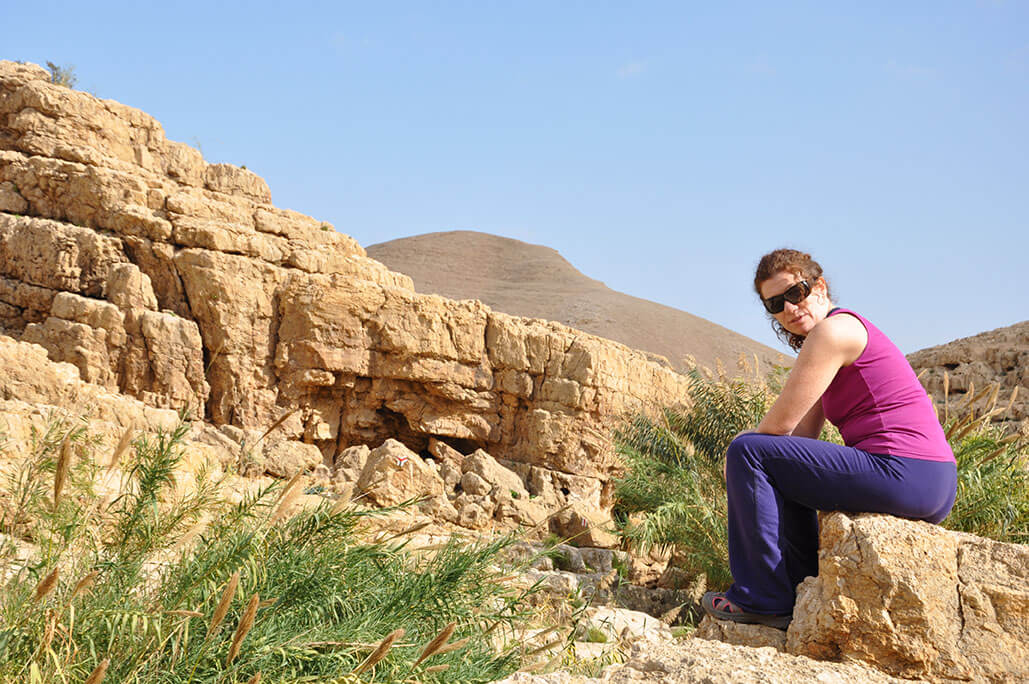
Meet Rebecca Gade Sawicki, founder of the vegan travel company Veggies Abroad. Welcome to “How I Escaped.” This Discovery Sessions interview series probes inspiring individuals who successfully ditched the rat race to inspire readers just like you.
Where are you from or where do you feel local to?
Rebecca Gade Sawicki: I am from metro Detroit. I moved around a little bit for college but no matter how far I went I always ended back up in Detroit.
How did you escape the rat race? Tell us the backstory of your former profession.
RGS: I am the founder of Veggies Abroad, a vegan travel business. We offer a myriad of services including small group tours and custom trip planning with a focus on plant-based cuisine and cultural immersion.
Before starting Veggies Abroad, I had a career in fundraising, event management, and communications. Most recently, I spent nearly 10 years managing corporate fundraising for one of the largest nonprofits in Michigan. I, like most people (I think), never really took the time to think about how my career was connected to my ethics. I graduated college, knew that I had to get a job, and off I went.
Looking back, I was extremely focused on having a career, earning more money, and just being stable — I didn’t question if it made me happy or not. Then the pandemic happened. With all that downtime at home, I started to really think about where I was investing my time and how I was using my skills to make this world a better place. For me, the pandemic shone a light on the ills that we face as a society and the reality that just about all of them are created by humans. I knew that I couldn’t sit back and accept that; I needed to find a job that would allow me to make a difference for our environment and the people and animals who call it home.
I initially started looking for a job with an environmental or vegan company, but I struck out. So, I knew that I had to get creative. I started Veggies Abroad as just a vegan travel blog because I knew that it would force me to learn new skills and network with like-minded people; from there, my hope was I would land somewhere that I cared about. But that wasn’t exactly what had happened.
The blog ended up growing, and while I was doing some consulting and freelance work, I kept getting pulled deeper into the travel space. In full transparency, I was reluctant to move fully into the travel industry because there is a lot within the space that I don’t agree with, and I didn’t want to end up in a situation promoting things that I didn’t agree with. While I was struggling with where to go next, I met someone who told me that the one good thing about the travel industry is that you get to decide who and what you support — you don’t have to do things a set way. With this advice, I thought maybe I could make a difference within the space by promoting companies that are trying to make a difference and getting travelers to realize that where they spend their dollars matters.
What advice would you give someone looking to become a travelpreneur?
RGS: First, I would tell someone that this is going to be much harder than anything that you’ve done before. I know that social media has the tendency to glorify working for yourself or working in travel, but that’s not really the reality. You’re going to work harder, longer, and probably for less than you ever have before. That’s the reality of starting a business. There will also be times when you’ve made a little progress, but you feel like you should be further along.
Keep your head down and keep working. When things get really hard, most people quit, but the reality is that this will take longer to scale than you anticipated, and if you can just keep putting in the work, it will pay off in the long run. My second piece of advice is to invest in conferences and opportunities for networking, it’s so important to keep learning. I know it’s hard to invest that money, but in the long run, it will be worth it.

What does a typical day in the life look like for you (if you have one)?
RGS: I guess I’d say I have two types of days — desk days and travel days. For a desk day, I am up around 5:30 AM so I can get some exercise, and then I usually boot my computer up just before 8 AM. For the most part, I spend all the way until 6 or 7 PM there having calls with clients, talking with suppliers, managing the website, developing itineraries, admin work, and so forth. It’s really not exciting, but it’s all important stuff that’s got to get done.
Travel days can be challenging. Generally, in the week before I leave, I try to pack in as much as humanly possible so that I can get ahead because I’m not able to work as consistently when I am on the road. While I am gone I will either try to get up early or stay up late to catch up on emails, check in with clients, and handle anything that’s pressing. I am grateful that we can get a lot done on our phones but sometimes that’s also a curse; it’s hard to truly check out.
What’s the biggest challenge of life as a travelpreneur?
RGS: One of the biggest challenges is inconsistency. Life is an absolute rollercoaster, and sometimes, while you’re riding it, it’s hard to imagine that things will ever smooth out. I haven’t gotten to smooth sailing yet, but I have gotten better at riding the highs and the lows. I try to just keep reminding myself to keep moving.
What’s the biggest reward of life as a travelpreneur?
RGS: The most rewarding part is when I have clients return from a trip, and they say, I am so glad that I worked with you because we would’ve never gotten to support half of the places on this itinerary, and they’re all doing such great work. On the flip side, I am always so happy to send businesses to small, independent businesses that are trying to make travel more sustainable and vegan-friendly. Many of them are self-funded, so every client really matters to their bottom line. We need more people and places in the travel industry that care.

What does freedom mean to you? When do you feel the most free?
RGS: Travel presents an opportunity to connect with people who are different from you. This connection can help build bridges and break down barriers. For me, it gives me a new appreciation for the opportunities that I have, and that appreciation is a sense of freedom.
What advice would you give to someone wanting to become location-independent, work online, and maximize their freedom?
RGS: First, I would say that you need to realize that being location-independent isn’t always as glitzy as it sounds. On the one hand, it is nice to be able to work anywhere and have that freedom, but it also means that you don’t have a dedicated space or WiFi. That can be really challenging for people to adapt to.
For me, I need consistency; you won’t catch me doing a serious amount of work in a cafe because there are too many distractions, but it works for some people. It’s important that you test these things out before you fully commit and make a decision that might not be the best for you in the long run. If you want to move around from place to place, I would come up with a plan before you take off so you don’t spend time worrying about where you’re going to go and stay next. That anxiety can affect your work.
What do you wish you did differently (in work or life)?
RGS: I wish I had re-evaluated what was important to me earlier. I got really caught up in what I thought I needed to be doing instead of what mattered to me. It’s truly a hard thing to do as this isn’t something that’s talked about in school. Instead, you learn that it’s important to get a degree, get a job, save for retirement, and that’s it. There’s a whole lot of gray area in that timeline but for the most part, we’re not encouraged to question it.